
Weltrix Dance Events Logo Weltrix

Beginner Dance Classes in Tartu — Finding the Right Fit

How to choose a beginner class in Tartu. What to look for in instructors, class size, music styles, and pacing that works for adults.

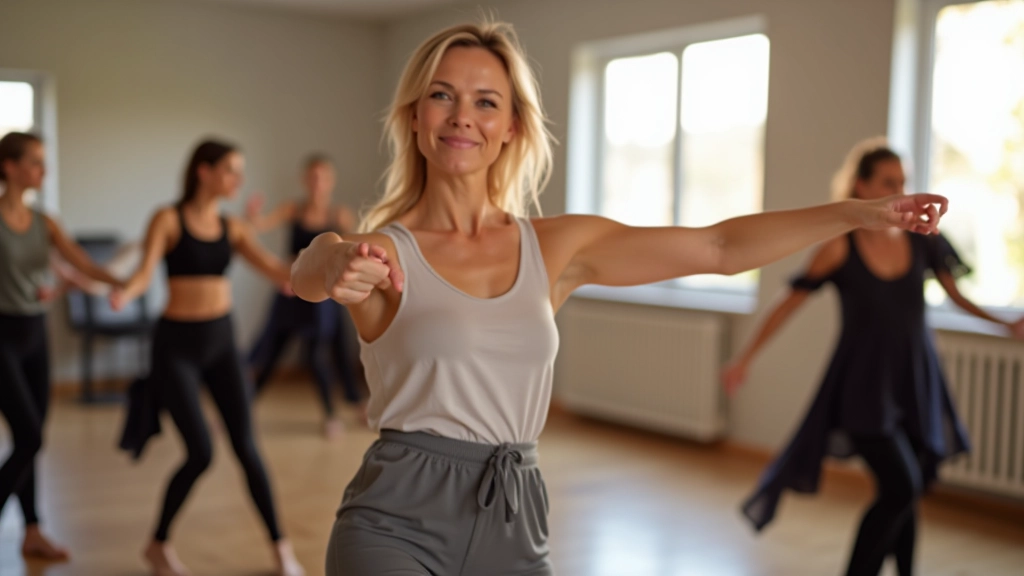
Dance instructor demonstrating footwork technique to a class of adult learners in a bright studio
Kristjan Saar

Author

Kristjan Saar

Senior Dance & Lifestyle Correspondent

Certified Latin dance instructor and community organizer with 14 years of experience developing bachata and salsa programs for mature adults across Estonia.

Understanding What You're Looking For

Walking into a dance class for the first time isn't easy. You're probably nervous about whether you'll fit in, if the pace will work for you, and honestly, if your feet will cooperate. That's completely normal — everyone in the beginner classes felt the same way.

The good news? Tartu has solid options. There's no single "best" class — it's about finding what matches YOUR situation. Some people want a smaller group where the instructor can watch everyone closely. Others prefer a larger class where they can blend in while learning. Some want traditional bachata, others want to mix salsa with other styles. The key is knowing what matters to you before you start looking.

Here's what we'll cover: how to evaluate instructors, what class sizes actually work for learning, why the music matters more than you'd think, and how to tell if the pacing will leave you frustrated or bored.
Group of beginner adult dancers practicing basic footwork patterns in a dance studio with wooden floors and mirrors
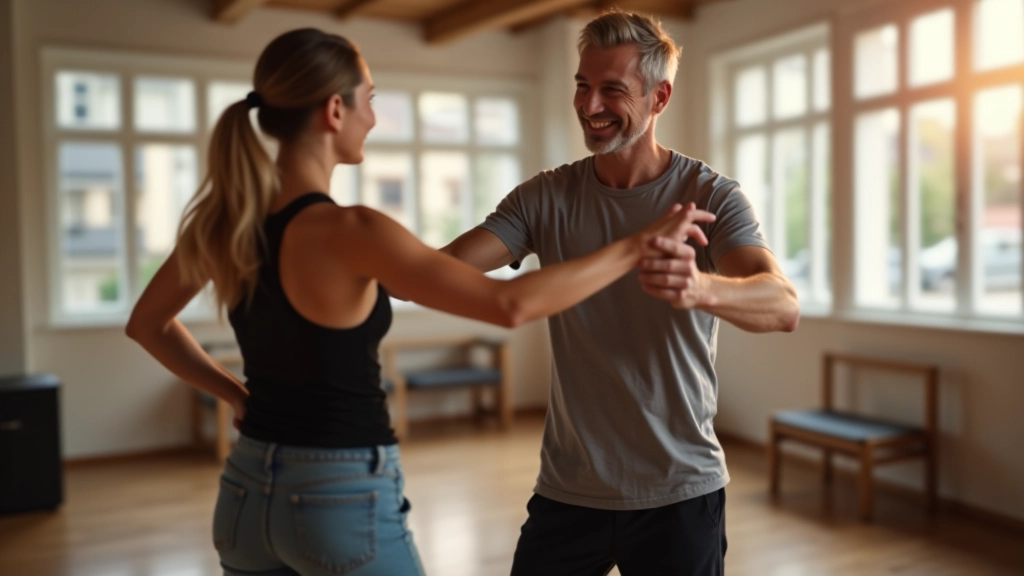
Experienced dance instructor showing proper posture and arm positioning to a student in one-on-one training

What Makes a Good Instructor for Beginners

Not all instructors are built for beginners. Some of the best dancers aren't great teachers — they've never really had to break down basic movements because they learned when they were younger. A good beginner instructor does something different. They actually explain WHY you're doing something, not just WHAT to do.

Look for someone with specific experience teaching adults. This matters. Teaching a 10-year-old and teaching a 45-year-old require different approaches. Adults want to understand the structure. We don't want to just copy movements — we want to know where the weight goes, how the hips move, what the partner's supposed to feel. A strong beginner instructor in Tartu will have at least 3-5 years of focused experience with adult learners. They'll also be patient about explaining things multiple times without making you feel rushed.

The best beginner instructors break movements into steps, explain the rhythm connection, give clear corrections, and remember that you're learning something completely new.

Note: This article is educational and informational. Every person learns differently, and what works for one student might not work for another. We recommend visiting classes yourself and speaking directly with instructors about their teaching methods, class structure, and whether the group feels like a good match for you. Dance instructors and studios vary in their experience and approach, so personal evaluation is always important.

Class Size and Learning Environment

Here's a truth that might surprise you: smaller classes aren't always better. Yeah, you'll get more individual attention in a class of 8 people. But some beginners actually feel more comfortable in a slightly larger group — maybe 15-20 people — where there's less pressure to be perfect.

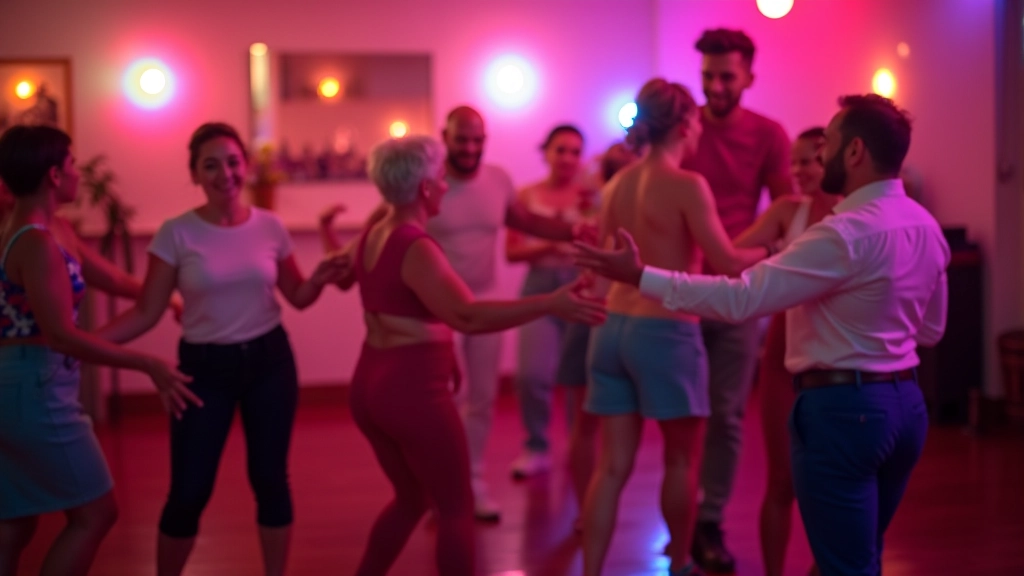
What matters is whether the instructor can actually see everyone. In a class with 25+ people, especially if it's cramped, you're basically invisible. The instructor can't give you real feedback. In Tartu, the sweet spot for most beginner classes is 10-18 people. That's big enough that you don't feel like everyone's watching you, but small enough that the instructor knows who needs help.

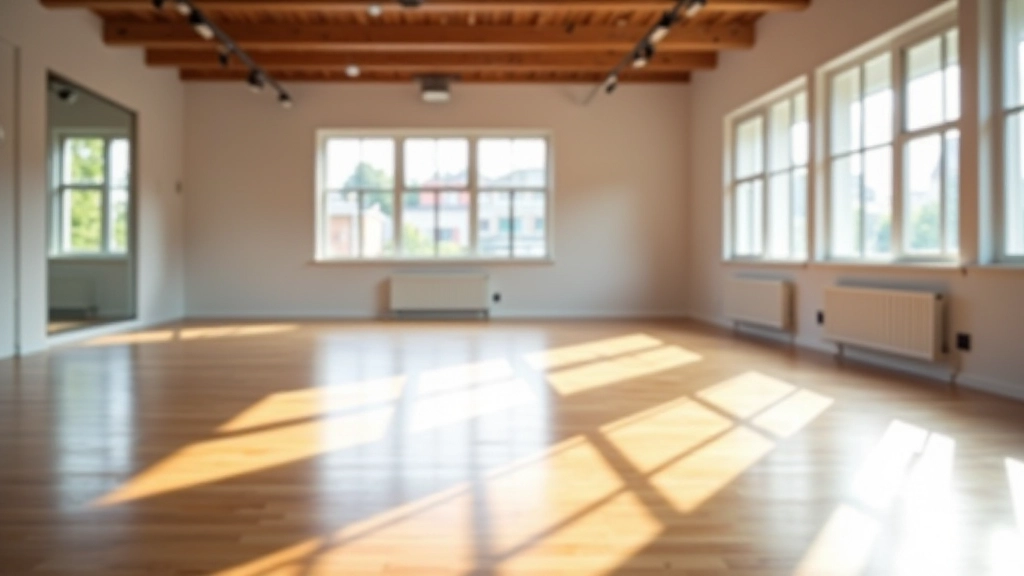
Also check the physical space. You need at least a little room to move. If the studio is the size of a closet, you'll spend the whole class bumping into other people. That's not learning — that's frustrating. A decent beginner studio in Tartu will have sprung flooring (easier on joints), mirrors so you can see yourself, and enough space that two rows of dancers don't collide.

Dance studio interior showing spacious layout with mirrors, wooden floor, and comfortable spacing for beginner classes
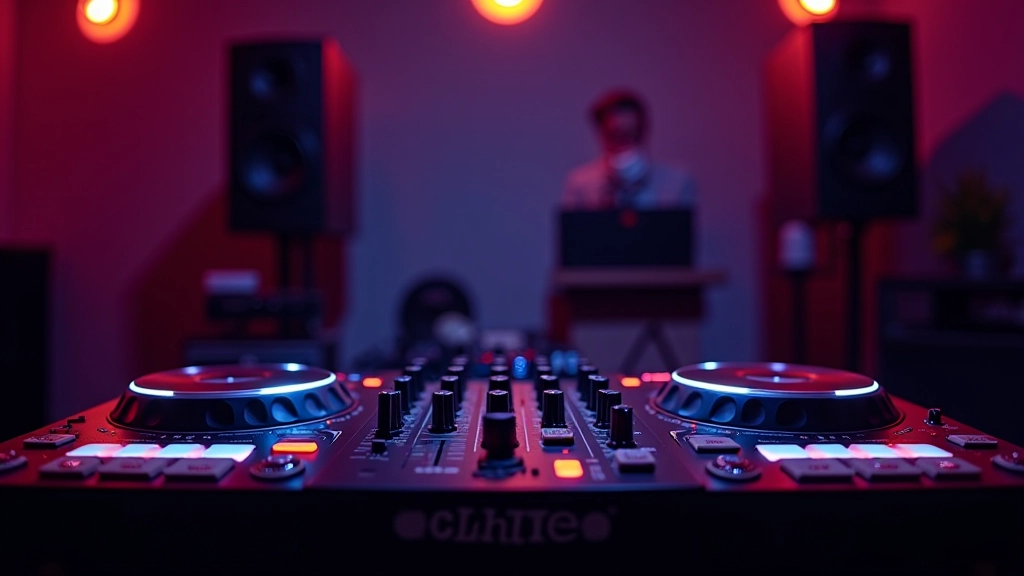
DJ equipment and sound system in dance studio showing quality audio setup for music playback

Music, Rhythm, and Pacing That Actually Works

Don't underestimate how much the music affects your learning. Some classes teach strictly to one style — say, bachata at 120 BPM. Others mix it up. There's no wrong choice, but it depends on what you want to get out of it. If you're learning for a specific reason (maybe you want to dance at a particular venue or event), find a class that focuses on that style. If you're just exploring, a mixed-style class can be fun.

The pacing matters just as much as the music. A good beginner class in Tartu will spend the first 10-15 minutes on basics. Then maybe introduce one new combination. Don't expect to learn 5 different moves in one session. You'll forget them by next week. A solid beginner class teaches slowly, repeats patterns, and builds on what you already learned last time. If a class feels rushed or like you're moving on before you've got the basics, it's not the right fit for you.

Making Your Decision

The right beginner class in Tartu checks several boxes: an instructor with real adult teaching experience, a class size that doesn't overwhelm you, a clean and spacious studio, and a pace that lets you actually absorb what you're learning. But here's the thing — you won't know for sure until you try it. Most instructors offer a trial class. Use that. See how you feel. Does the instructor make you comfortable? Do the other students feel welcoming? Does the space feel right? Trust your gut on this one.

You're not making a lifetime commitment. If the first class doesn't work, try another. Tartu's got options, and finding your people in dance is worth the small effort it takes to look around. The class that's perfect for your friend might be all wrong for you — and that's fine. What matters is that you find the one that makes you want to come back next week.