
Understanding the Bachata Rhythm
Bachata's heartbeat is different from salsa. It's slower, more intimate, and honestly easier to understand at first. The rhythm follows a simple 1-2-3, 5-6-7 pattern with a distinctive pause on beat 4 and beat 8. That pause is crucial. It's not dead air — it's where the magic happens. You'll feel the music shift, and that's your moment to really connect with your partner.
Most people count it in groups of four. Step, step, step, pause. That's it. You're not racing through moves like in salsa. You're moving with purpose. The footwork itself is basic — side to side, forward and back — but the timing is what separates people who've been dancing for two weeks from people who've been dancing for two months. Getting comfortable with that pause takes practice, but you'll notice the difference pretty quickly.

Bachata isn't about being fast. It's about feeling the beat in your body and letting your partner feel it too.
The Four Essential Steps for Beginners
When you're starting out, don't worry about complicated patterns. Focus on these four things, and you'll already be ahead of most beginners:
- Side Step — Step to the side, bring your feet together, repeat. This is your foundation. You'll use this in 90% of beginner combinations.
- Forward and Back — Step forward with control, then back. Keep your knees slightly bent. It's not about reaching far — it's about smooth weight transfer.
- The Hip Movement — Bachata's signature. Let your hips move naturally as you step. Don't force it. When your weight transfers, your hip drops slightly. That's the magic.
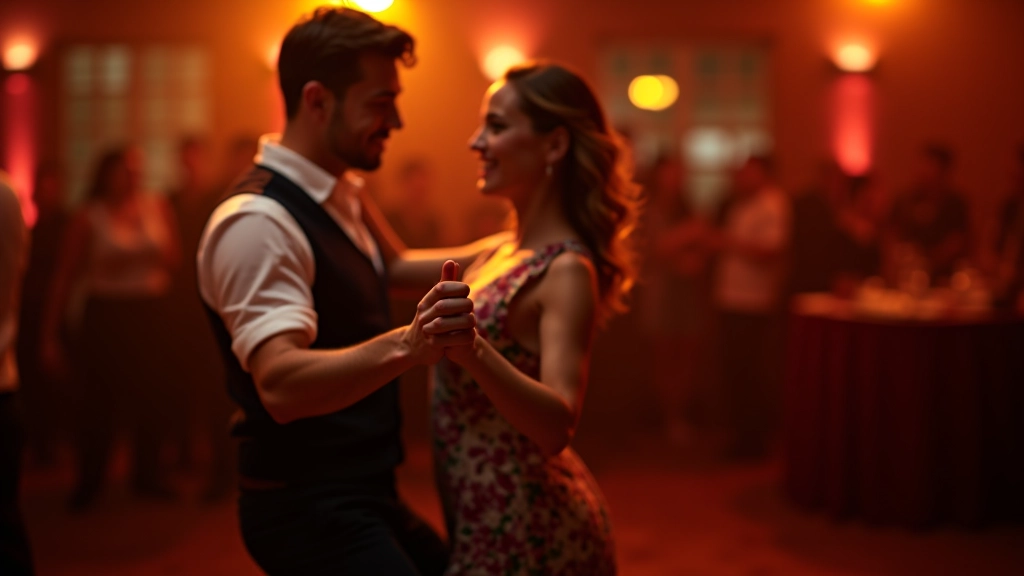
- Connection — Keep light pressure through your hands and arms. You're communicating with your partner, not pulling them around.
Here's what I've noticed with beginners: they want to master all the fancy turns and spins before they can actually dance to the music. Don't do that. Spend your first month just getting comfortable with these four elements. Once they're in your muscle memory, everything else gets easier.
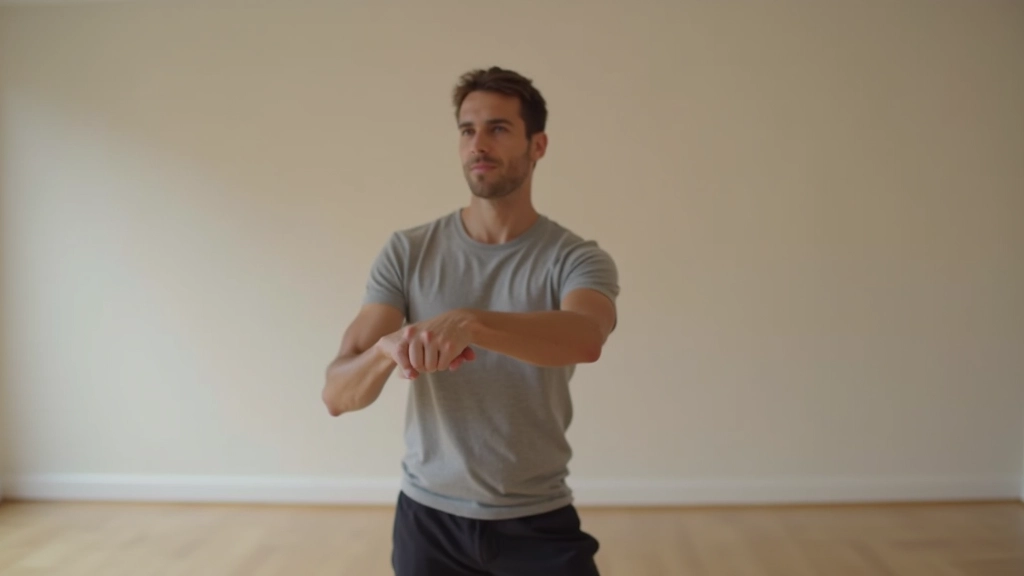
Before You Start
This guide provides educational information about bachata fundamentals. Every person learns at their own pace. If you have physical limitations or injuries, consult with a healthcare professional before beginning any new physical activity. Working with a qualified instructor in person is always recommended for proper form and technique.
Partner Connection — The Heart of Bachata
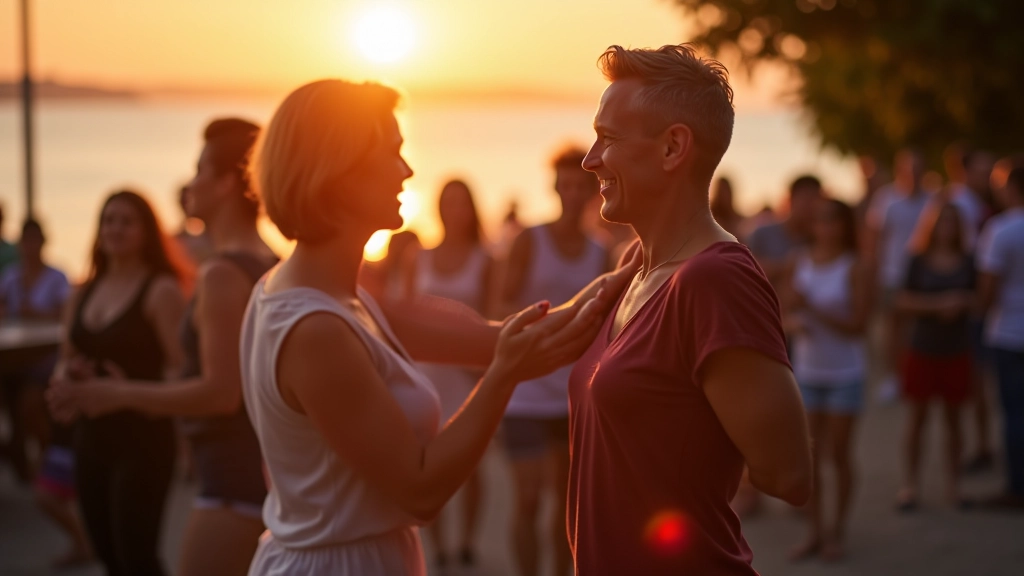
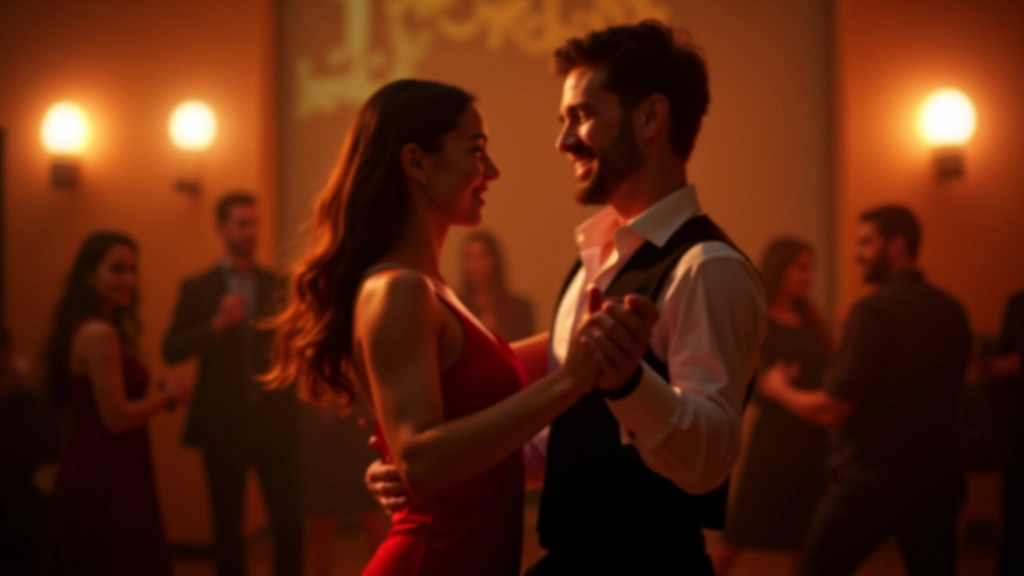
You can learn footwork solo, but bachata really comes alive with a partner. The connection is everything. It's not about gripping tight or holding someone at arm's length. It's about maintaining light, consistent pressure so you can both feel where the other person is going next.
In your first few weeks, you'll probably hold tension in your shoulders. Everyone does. Your partner can feel that. They don't want a vice grip — they want to feel you leading (or following) with confidence and ease. Relax. Drop your shoulders. Let your arms stay soft. The lead comes from your core, not your hands.
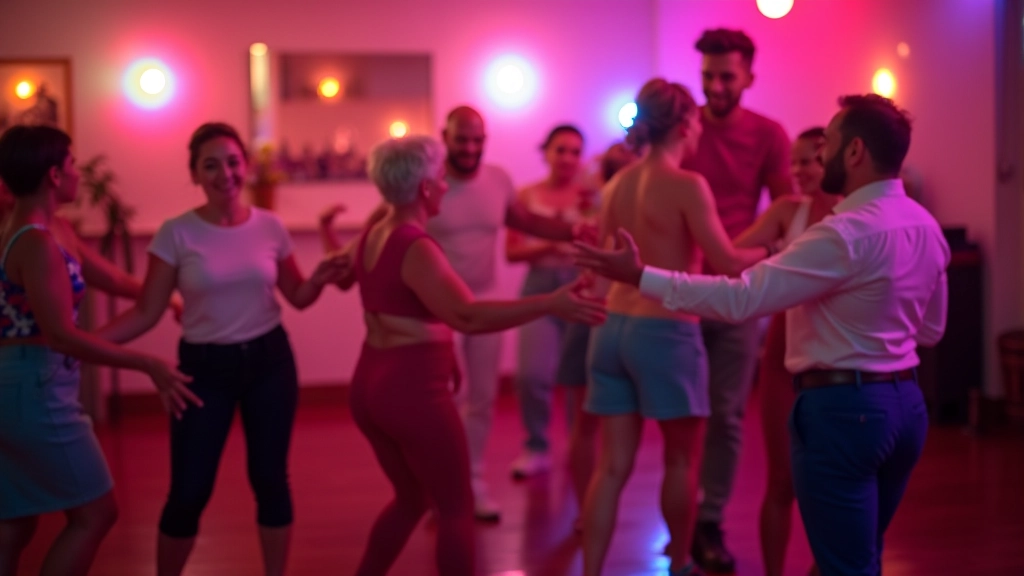
And here's something nobody tells beginners: it's okay to mess up. You'll step on each other's feet. You'll lose the beat. You'll forget what comes next. Your partner probably has too. That's not failure — that's dancing. Everyone at your first social was terrible at some point. The ones who aren't terrible now are the ones who kept showing up.
Common Mistakes Beginners Make
After watching hundreds of beginner dancers, I've noticed patterns. Most mistakes aren't about not knowing the steps — they're about overthinking things:
- Rushing the rhythm — Bachata is slow. You've got time. Stop trying to fit 10 steps into 8 beats. Slow down. Feel it.
- Looking down at your feet — You can't see your partner's face. You can't feel the lead. Keep your head up, even if you mess up.
- Stiff upper body — Your arms aren't dance props. They're part of your body. Let them move naturally with your hips.
- Forgetting to breathe — Seriously. Tension kills your movement. Breathe, relax, dance.
- Trying advanced moves too soon — Master the basics. You don't need spins and tricks. You need rhythm, connection, and confidence.
Your First Steps — What to Expect
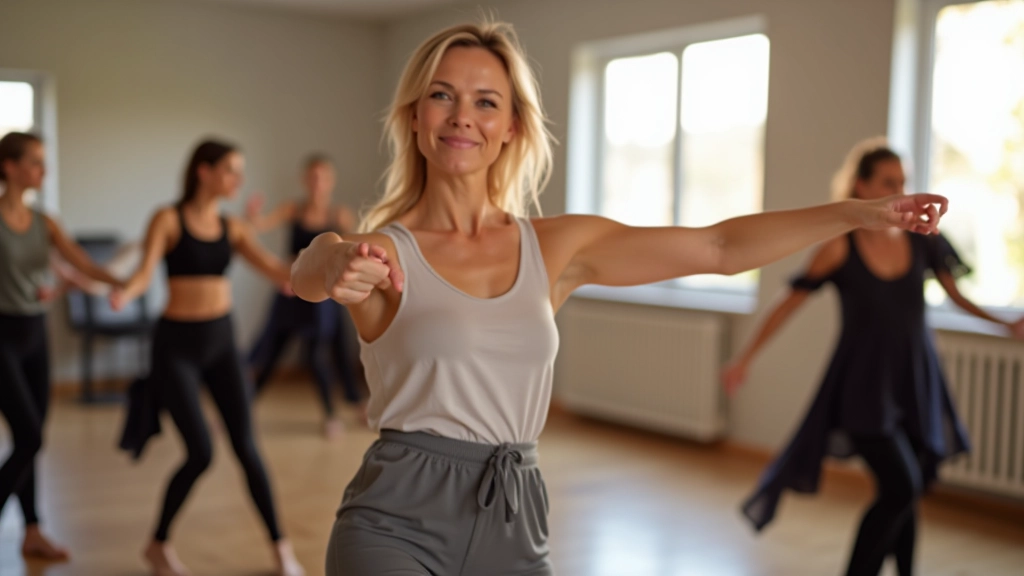
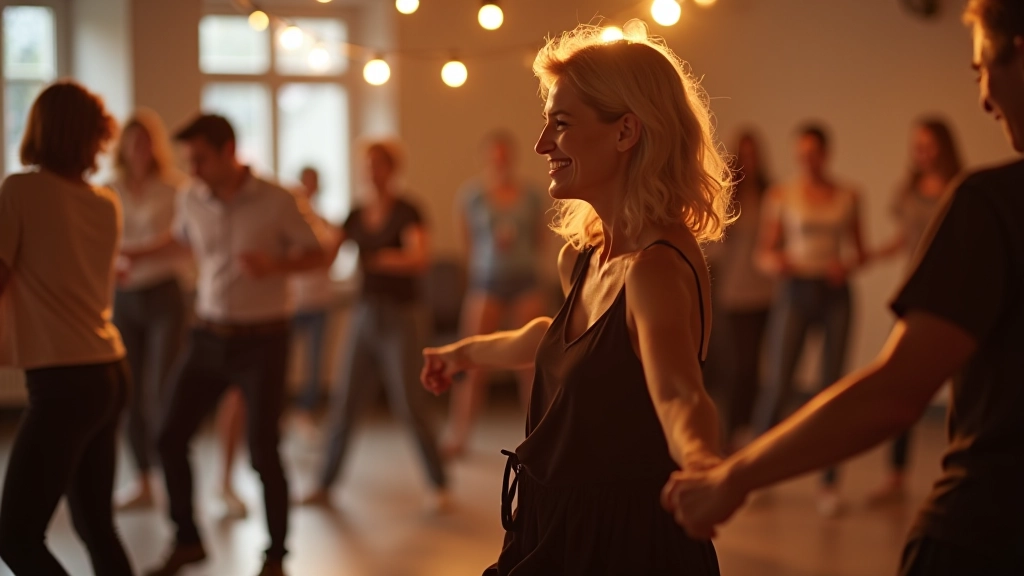
Starting bachata is like learning any new skill. Your first session will feel awkward. You'll be thinking about your feet. Your timing will be off. You'll forget which direction to step. That's completely normal. It doesn't mean you can't dance. It means you're learning.
By week three or four, something shifts. Your feet stop thinking and just move. The music starts making sense. Your partner feels easier to lead or follow. You'll actually have fun instead of just concentrating. That's when you realize why people fall in love with this dance.
The key is consistency. Two 90-minute sessions per week is ideal. You're building muscle memory, not cramming facts. Your body needs repetition. After six to eight weeks of regular practice, you'll be comfortable at a social. After three months, you'll actually feel like a dancer. It doesn't happen overnight, but it does happen.